If you are in real estate right now, you have probably noticed things are moving differently. Homes are still selling, and deals are still closing, but the pace has definitely slowed. It is not the frenzy of a couple of years ago when homes were flying off the market in days. Now, buyers have more time to decide, and sellers are adjusting their expectations.
So what is happening? Why is the market moving at the speed of traffic on I 75, even with plenty of homes available? Let’s break it down and talk about what comes next.
The Affordability Wall
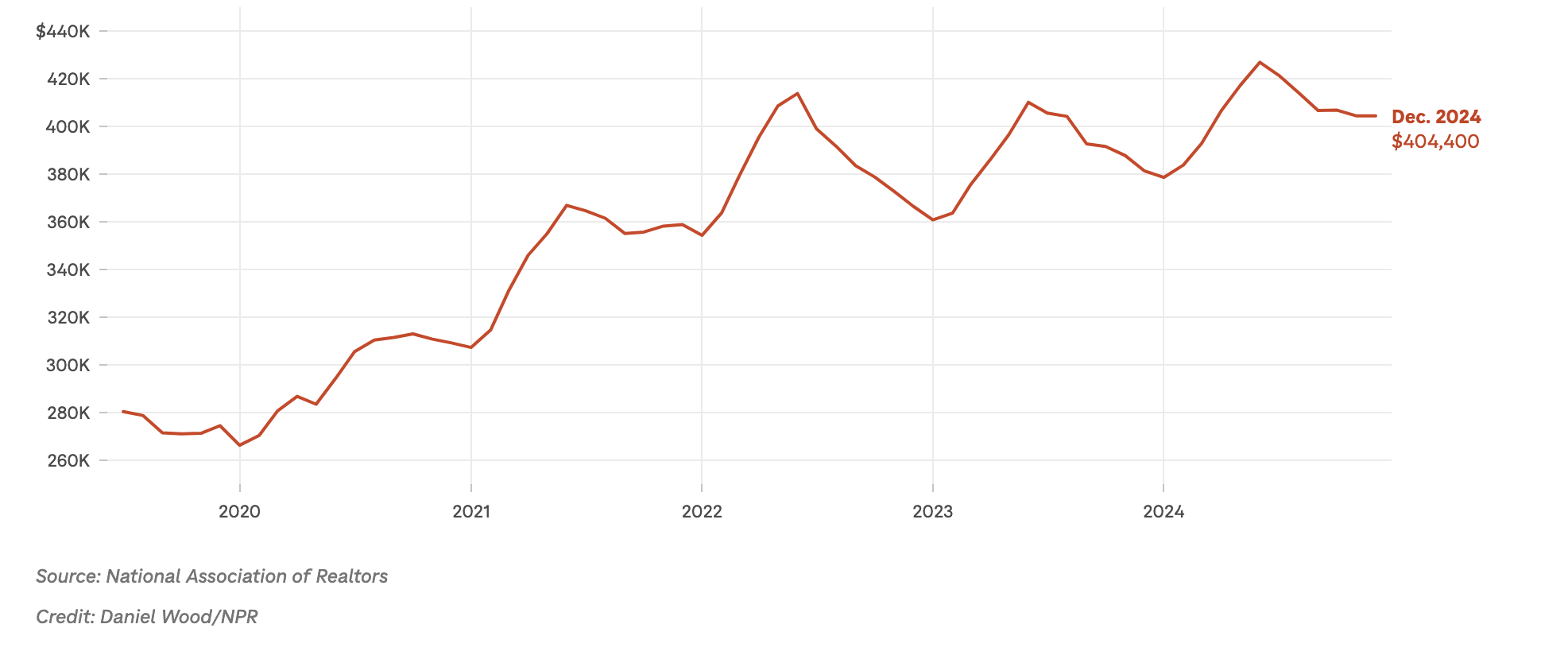
The biggest challenge right now is affordability. Home prices have climbed for years, and while incomes have risen, they have not kept pace. Mortgage rates jumped quickly, making monthly payments much higher than they were just a few years ago. Even a small rate increase can add hundreds of dollars a month, putting homeownership out of reach for many buyers.
For first-time buyers, especially millennials and Gen Z, this is a tough spot. Some are holding off, choosing to rent longer, save more, or wait for better conditions. That hesitation is keeping the market from moving as fast as it could.
More Inventory but Fewer Buyers in the Game
Unlike past slowdowns, this is not about a lack of homes. There are plenty of listings, but not enough buyers who can afford them. Many sellers who had been waiting for the right time to list are finally putting their homes on the market. The problem is that high borrowing costs are limiting how many people can actually buy.
Builders have also ramped up new construction, adding more options. But demand is softer than it was a couple of years ago, forcing many to adjust their pricing and offer incentives to attract buyers.
The Market’s Waiting Game
Uncertainty is playing a big role. Buyers are wondering if rates will drop. Sellers are wondering if prices will rise. Investors are waiting for the right moment. And when everyone hesitates, the market slows.
But there is good news. Change is happening.
Will Lower Rates Bring Buyers Back?
Interest rates have started to come down, and that could be the spark the market needs. More buyers will be able to afford homes. Sellers will feel more comfortable listing. Overall activity will pick up.
Some lenders are already offering better rates, and if inflation continues to ease, we could see even more cuts. That would be a game-changer, making mortgages more affordable and unlocking a wave of new demand.
What is the Move?
If you are a buyer, this could be an opportunity. With less competition, there is more room to negotiate. And if rates drop further, you can always refinance later.
If you are a seller, pricing realistically is key. Buyers have more options now, so the days of overpricing and getting multiple offers instantly are gone. Well-priced homes in good locations are still moving, but sellers need to be strategic.
And if you are an investor, keep an eye on the market. Slowdowns create opportunities, especially in areas where demand remains strong.
The bottom line is, this is not 2008. There is no market crash. But until affordability improves—whether through lower rates, wage growth, or price adjustments—things will stay slower than usual. Real estate is cyclical, and this will not last forever. Those who understand the market now will be the ones who win when things pick back up.